Things we did
Sustainability strategy
Waste magament
Circular design
Client
DGTL - electronic dance festival
Year
2014

Turning waste into awareness.

CHALLENGE
DGTL's challenge was to move beyond symbolic sustainability and create a tangible, meaningful solution to one of the festival’s biggest environmental issues: plastic waste. The goal was not only to reduce the festival’s footprint, but also to create awareness, by turning waste into a visible, engaging and valuable outcome.
un-tamed agency logo design voor client
Digital Experiences
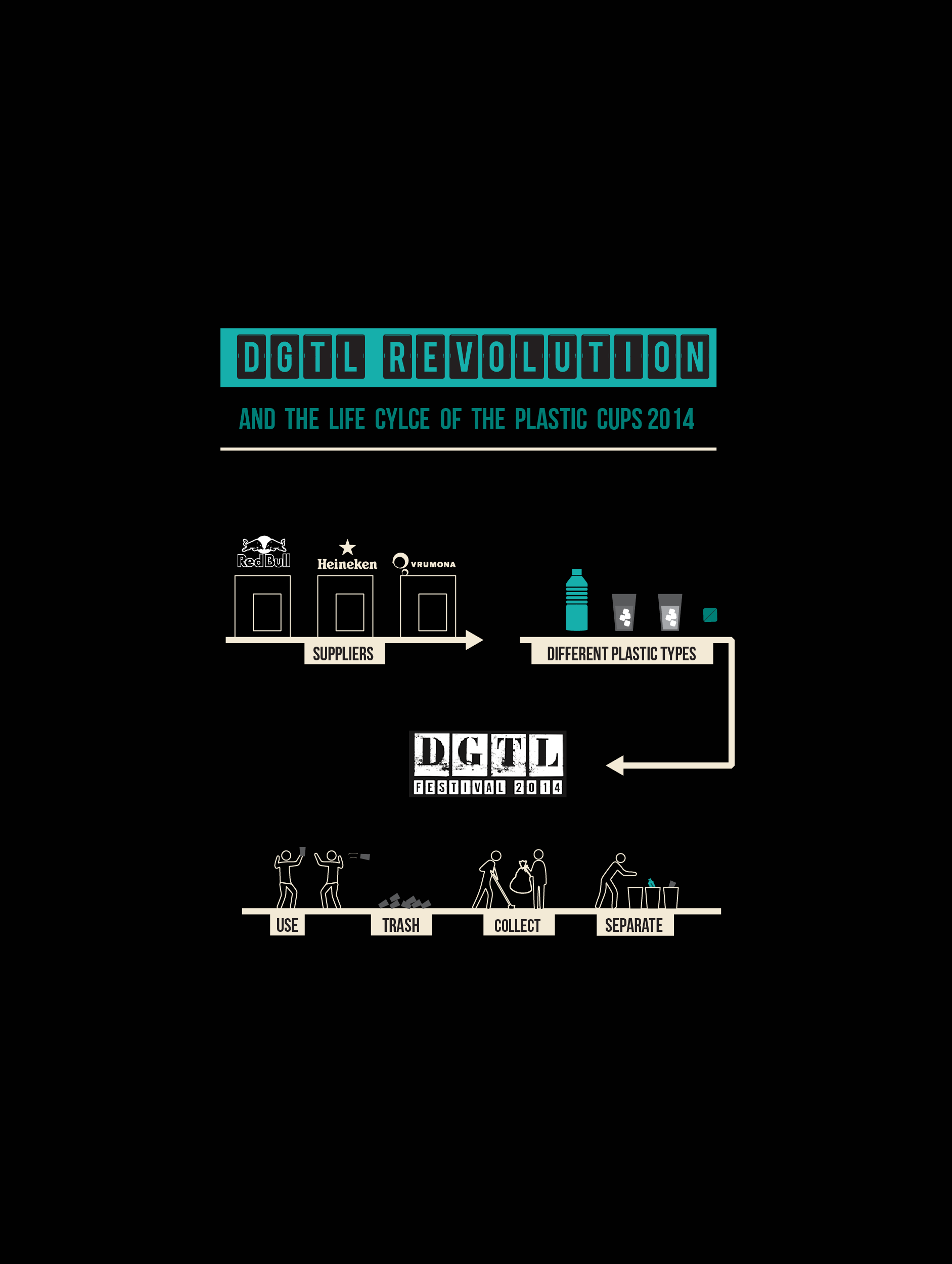
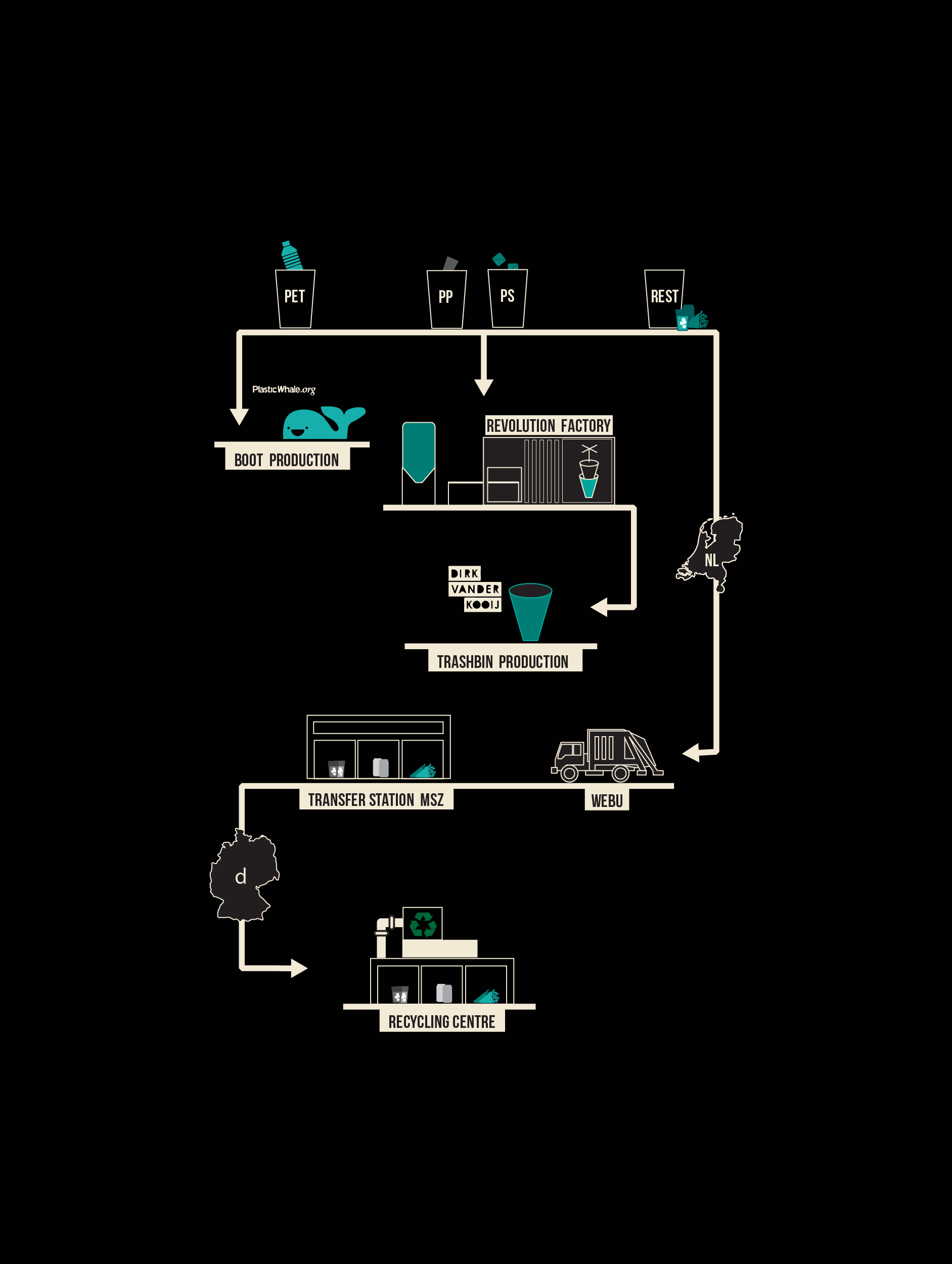
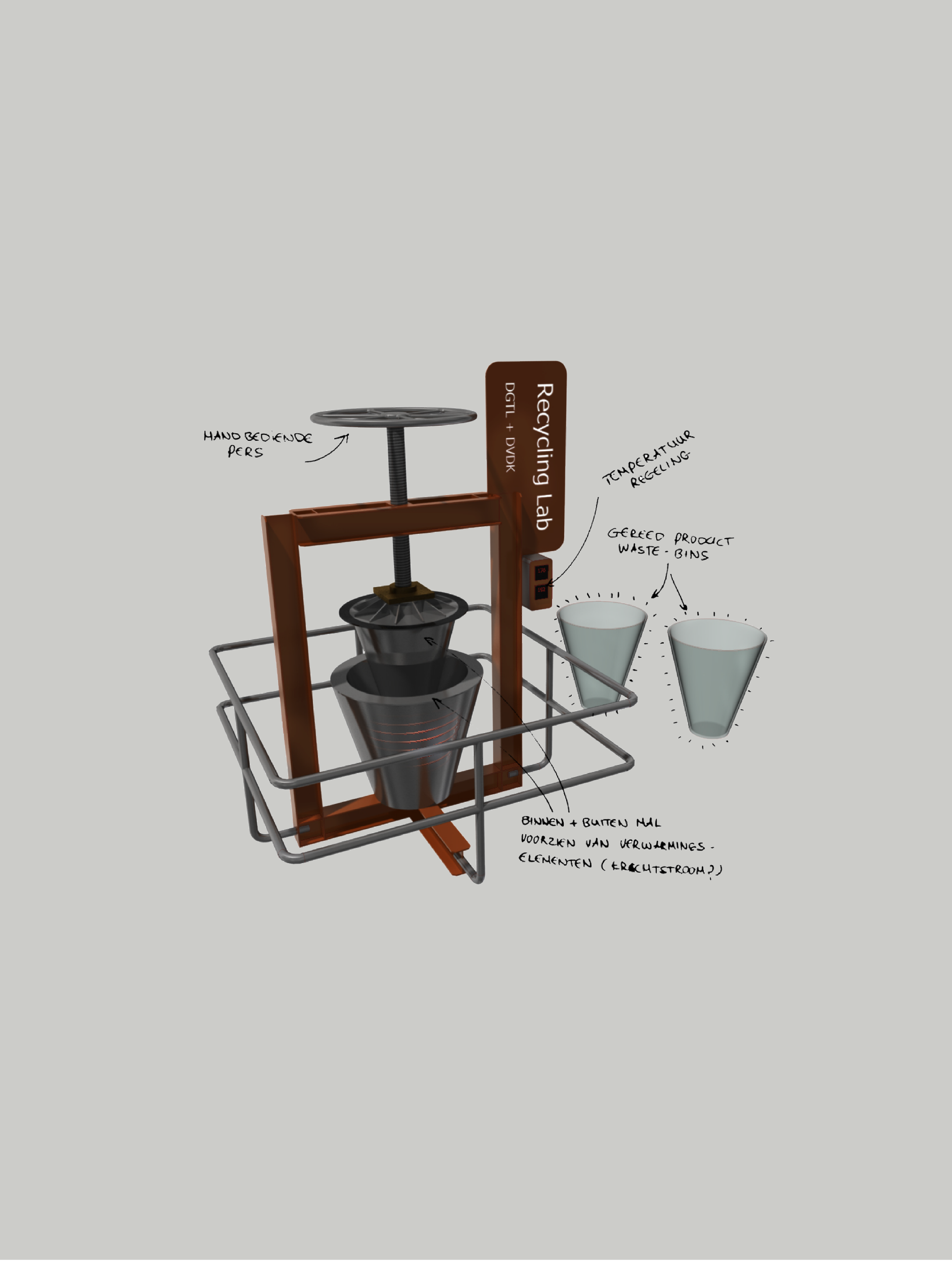
As Revolution Manager, I led the sustainability strategy with plastic waste as the primary pillar. I started by analyzing the festival’s waste streams and initiated a full waste management assessment. Through my professional network, I brought in expertise to calculate DGTL’s carbon footprint, ensuring that decisions were data-driven rather than purely conceptual. Based on these insights, I developed a circular concept that made the waste problem tangible and visible on-site. Instead of creating decorative or craft-based art — which was common at the time — we introduced a radically new approach: transforming used plastic cups into functional public waste bins, produced live and on-site. To make this possible, we collaborated with artist and designer Dirk van der Kooij, who developed a custom mold specifically for this project. A crucial strategic decision was to work with a single type of plastic. This led to alignment with key stakeholders such as Heineken and Frumona, who ensured all cups were produced in the same plastic material, creating a clean mono-stream waste flow — an unprecedented step for a festival at the time. To activate the concept, volunteers dressed in bold, industrial-style suits collected cups across the festival grounds. The visual identity and performative nature of the activation turned waste collection into an engaging experience. The energy was contagious: festival visitors spontaneously joined in, actively collecting plastic themselves.
un-tamed agency color design for client
un-tamed agency font selection for client
APPROACH
Within the project, I led the concept development and on-site production, translating DGTL’s sustainability goals into a participatory, visually striking experience.
As Revolution Manager, I led the sustainability strategy with plastic waste as the primary pillar. I analyzed the festival’s waste streams to create to most complete concept for the festival. Through my professional network, I brought in expertise to calculate DGTL’s carbon footprint, ensuring decisions were data-driven.
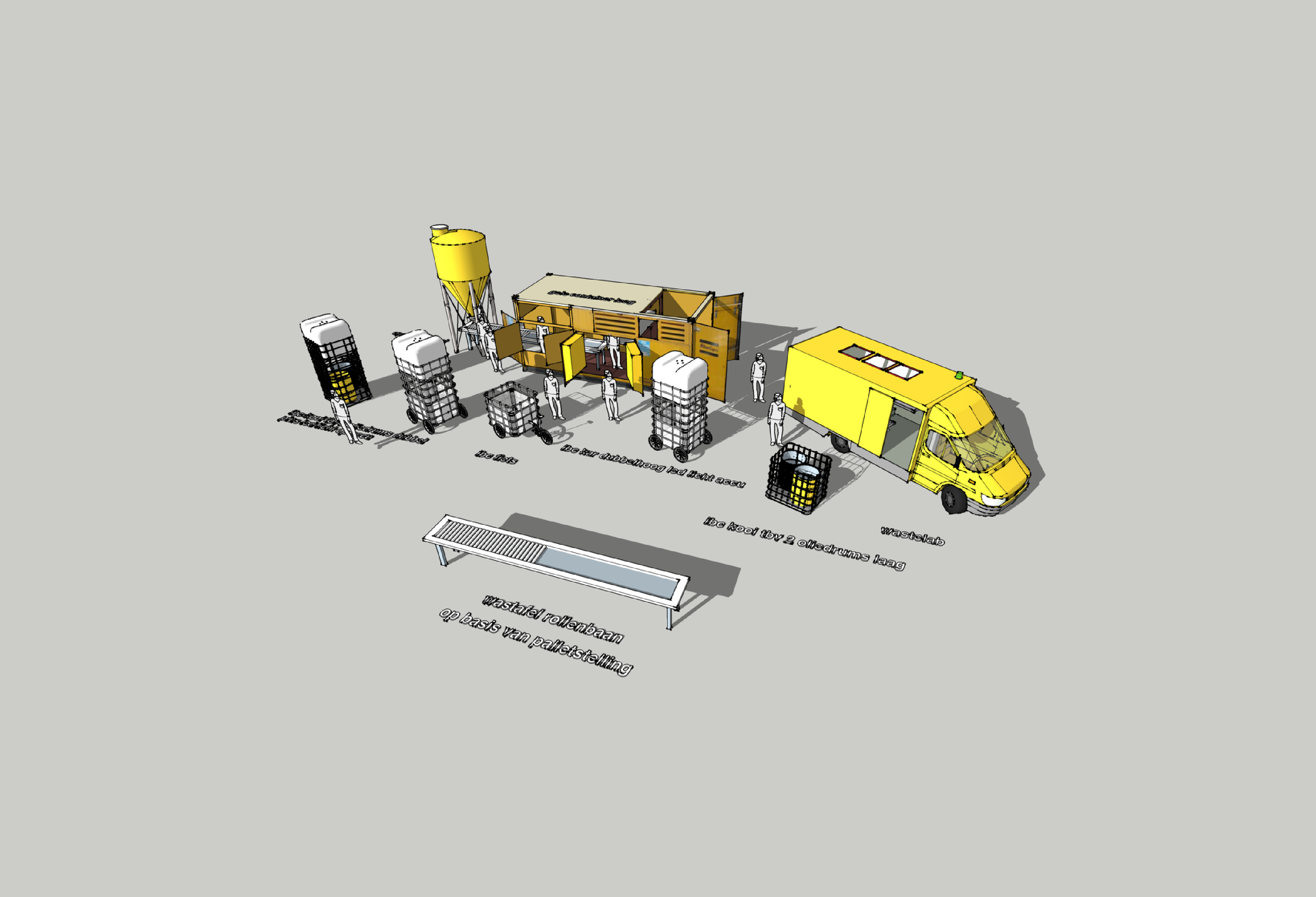
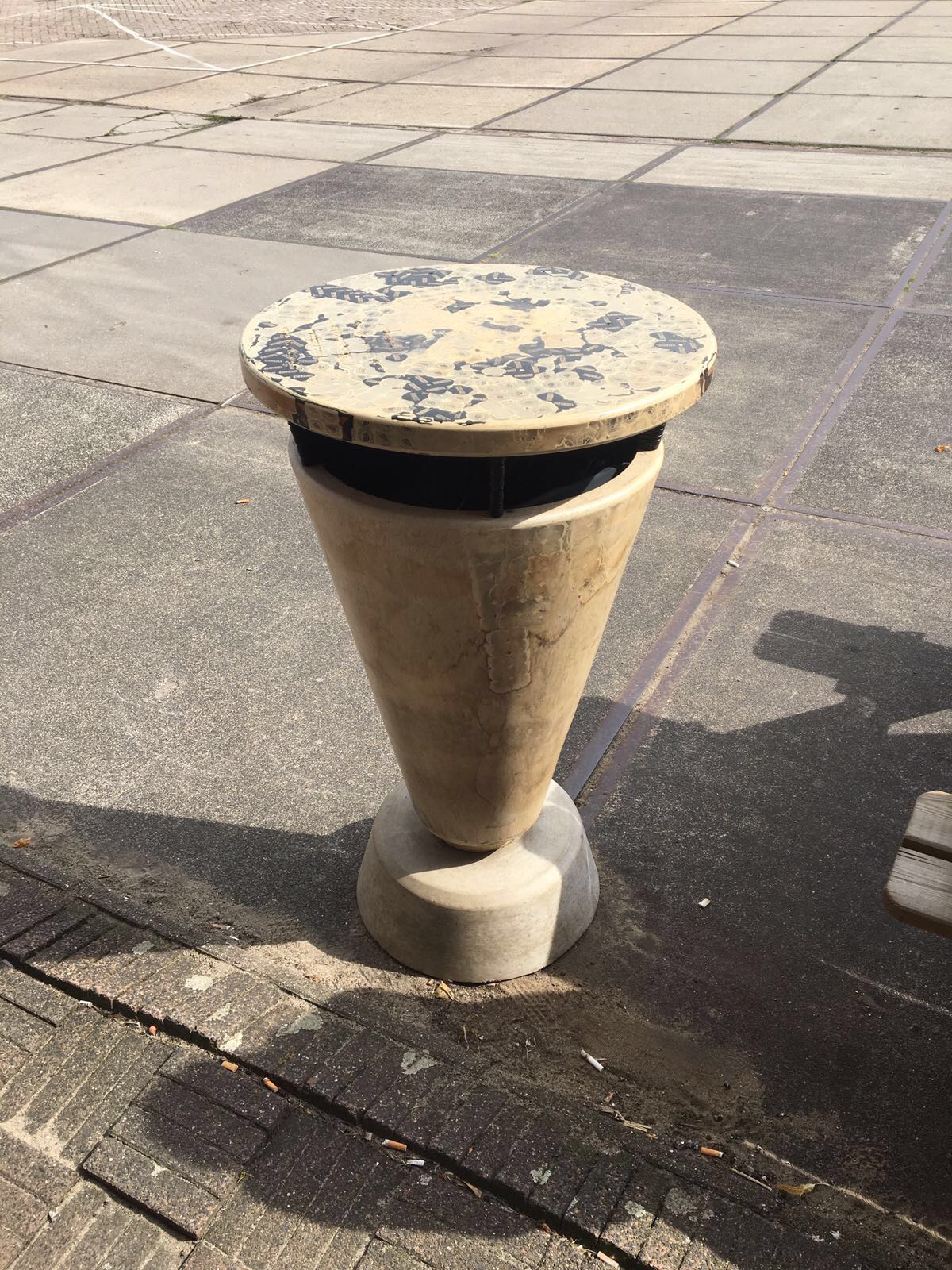
Based on the insights, I developed a circular concept that made the waste problem tangible and visible for stakeholders and festival goers. Instead of decorative or craft-based art, we introduced a radically new approach: the Revolution Factory. An interactive stage were used plastic cups were recycled into functional public waste bins, produced and moulded live on-site and would be placed on the NDSM warf to return something to the neighbourhood. To activate the concept, volunteers in bold, industrial-style suits collected cups across the festival grounds, the DGTL Trash Army. The visual identity and performative nature of the activation turned waste collection into a cool refreshing experience, where even festival visitors wanted to participate actively.
We collaborated with ReFunc who developed our Revolution Factory as a stage and I introduced artist Dirk van der Kooij, who at the time was far ahead of it's time in recycling plastic. He developed a custom mold for the project. A key strategic decision was to use a single type of plastic, to ensure the best quality for the plastic bins. This decisions resulted in aligning stakeholders like Heineken and Frumona to ensure a clean mono-stream supply — an unprecedented step for a festival.

untamed agency UX design for Client
un-tamed agency icon design
RESULT
  • A full circular on-site system, transforming festival plastic waste into functional public waste bins
  • Achieved strong stakeholder alignment, resulting in a mono-stream plastic supply chain
  • High visitor engagement, with attendees actively participating in waste collection
  • Intruduction of the DGTL trash Army which is currently still part of the festival
  • National media coverage, including NRC and BNN
  • Municipal funding creating a more durable relation with the municipality.
This initiative showcased how strategic concept design and hands-on execution can transform sustainability from an abstract idea into innovation, collaboration and cultural impact at scale.
un-tamed agency webdesign
Digital Experiences
As Revolution Manager, I led the sustainability strategy with plastic waste as the primary pillar. I started by analyzing the festival’s waste streams and initiated a full waste management assessment. Through my professional network, I brought in expertise to calculate DGTL’s carbon footprint, ensuring that decisions were data-driven rather than purely conceptual. Based on these insights, I developed a circular concept that made the waste problem tangible and visible on-site. Instead of creating decorative or craft-based art — which was common at the time — we introduced a radically new approach: transforming used plastic cups into functional public waste bins, produced live and on-site. To make this possible, we collaborated with artist and designer Dirk van der Kooij, who developed a custom mold specifically for this project. A crucial strategic decision was to work with a single type of plastic. This led to alignment with key stakeholders such as Heineken and Frumona, who ensured all cups were produced in the same plastic material, creating a clean mono-stream waste flow — an unprecedented step for a festival at the time. To activate the concept, volunteers dressed in bold, industrial-style suits collected cups across the festival grounds. The visual identity and performative nature of the activation turned waste collection into an engaging experience. The energy was contagious: festival visitors spontaneously joined in, actively collecting plastic themselves.